Gemmology · 7 min
Inclusions and clarity
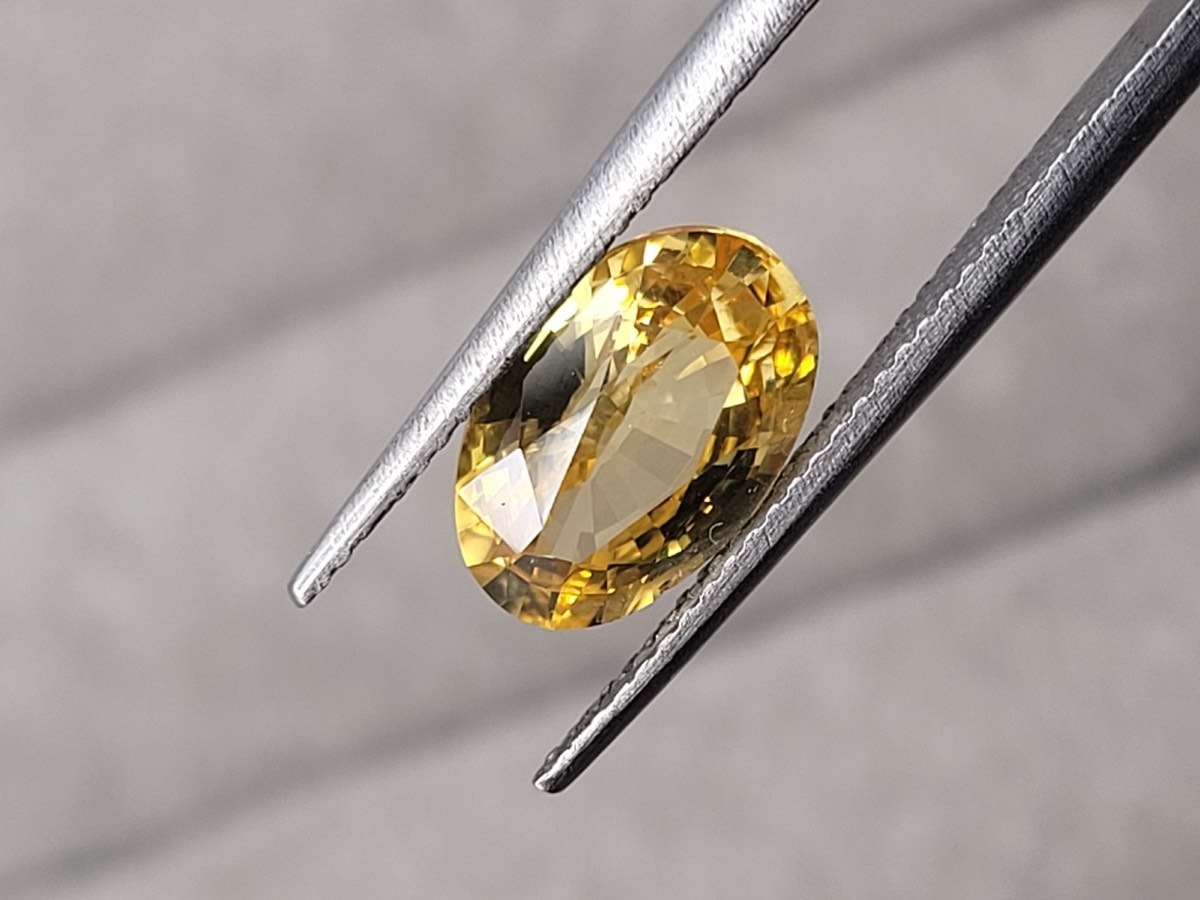
Chasing a flawless sapphire is the most reliable way to overpay for one. Inclusions are normal in this species, some of them are evidence you want, and only two kinds genuinely matter.
Sapphire is not a diamond, and is not graded like one
Gemstones are sorted into three clarity types by how included they usually are. Aquamarine and topaz are Type I — routinely clean. Emerald is Type III — essentially always included. Sapphire is Type II:inclusions are expected and normal, and a genuinely clean one is the exception rather than the standard.
This is why the diamond habit of grading under a loupe does not transfer. A dealer who shows you a 10× magnified photograph of a sapphire is showing you something that is true of almost every sapphire in the world.
The only two questions that matter
- Can you see anything with the unaided eye at normal viewing distance? If not, the stone is “eye-clean”, and that is the standard the trade actually prices on.
- Does anything threaten the stone’s durability? That means a fracture reaching the surface, or a large inclusion sitting near the girdle where a knock would find it.
Everything else is a fingerprint — the record of how the crystal grew.
What you are likely to see
- Silk — fine needles of rutile, often in three directions. Usually a positive (see below), and in enough quantity it produces a star.
- Fingerprints — healed fractures that look like a wisp or a thumbprint. Structurally sound; the fracture closed up long ago.
- Crystals — small minerals trapped during growth. Harmless unless large and face-up.
- Colour zoning — bands of stronger and weaker colour. Very common in sapphire. Matters only if it is visible face-up once set, which a good cutter will orient to avoid.
- Feathers and fractures — the one group to examine properly. Internal and small is fine. Reaching the surface is not.
The inclusion you should want
Heat treatment dissolves silk. So undisturbed silk is one of the things a laboratory looks for when it certifies that a stone has never been heated — and unheated commands a large premium.
The two that should make you walk away
Surface-reaching fractures. These are a durability problem, not a beauty one. A stone with a fracture breaking the surface can chip while being set, and ultrasonic cleaning is out of the question. If you see a line that appears to meet the surface, ask directly and get the answer in writing.
Undisclosed fracture filling. Cavities and fractures can be filled with glass or resin to make them disappear. This is a different universe from heat treatment: it is not stable, it can be damaged by normal jewellery repair, and it should move the price dramatically. Heat is accepted trade practice; filling is not. Any seller describing a stone only as “treated” is telling you nothing — ask which treatment, specifically.
How to inspect a stone you cannot hold
- Ask for photographs against a plain light background, which is what we shoot on — a dark background hides exactly what you are looking for.
- Ask for video while the stone is tilted. Inclusions and zoning reveal themselves in movement far more than in a still.
- Ask explicitly: are there any surface-reaching fractures, and has the stone been filled or diffused? Get it in writing.
- For anything significant, have it certified by a recognised laboratory — and remember you may nominate the laboratory. We arrange this before payment for any stone here.
A word on size
Inclusions become easier to see as stones get larger, simply because there is more stone to look through. An eye-clean 5 ct sapphire is meaningfully rarer than an eye-clean 1 ct one, and priced accordingly. When comparing two large stones, compare their clarity at the same distance, in the same light — not one in a photograph and one in the hand.
Keep reading
Why Ceylon
Two thousand years of sapphire from a single island, and what makes the material distinct.
Heated vs Unheated
What heat treatment actually is, why it is disclosed, and what the premium buys you.
How to Buy a Sapphire
Colour, cut, clarity and carat — in the order that actually matters for coloured stones.