Articles
What we would want to know before buying a sapphire
Coloured stones are not graded like diamonds, and most of what people believe about sapphire pricing is wrong. These are the things that actually decide what a stone is worth — written plainly, and illustrated with stones from this collection rather than stock photographs.
Start here
Six tips worth the two minutes
Each one links to the article that explains it properly.
01
Judge colour in two lights.
Daylight by a window and ordinary indoor light. Many sapphires shift, and you will wear it in both. More
02
Tilt the stone before you buy it.
A pale patch opening up through the middle means the stone is cut too shallow. More
03
Ask for millimetres, not just carats.
Carat is weight. Two stones of the same weight can differ visibly in face-up size. More
04
Eye-clean is the standard, not flawless.
Sapphire is expected to have inclusions. Chasing a loupe-clean stone is how people overpay. More
05
Ask which treatment, specifically.
“Treated” means nothing. Heat is accepted and permanent; diffusion and fracture filling are not. More
06
Buy just under a round weight.
Price steps at 1, 2, 3 and 5 carats. A 2.95 ct stone costs less per carat than a 3.01 ct one, and nobody can tell. More
Start with this one · 5 min
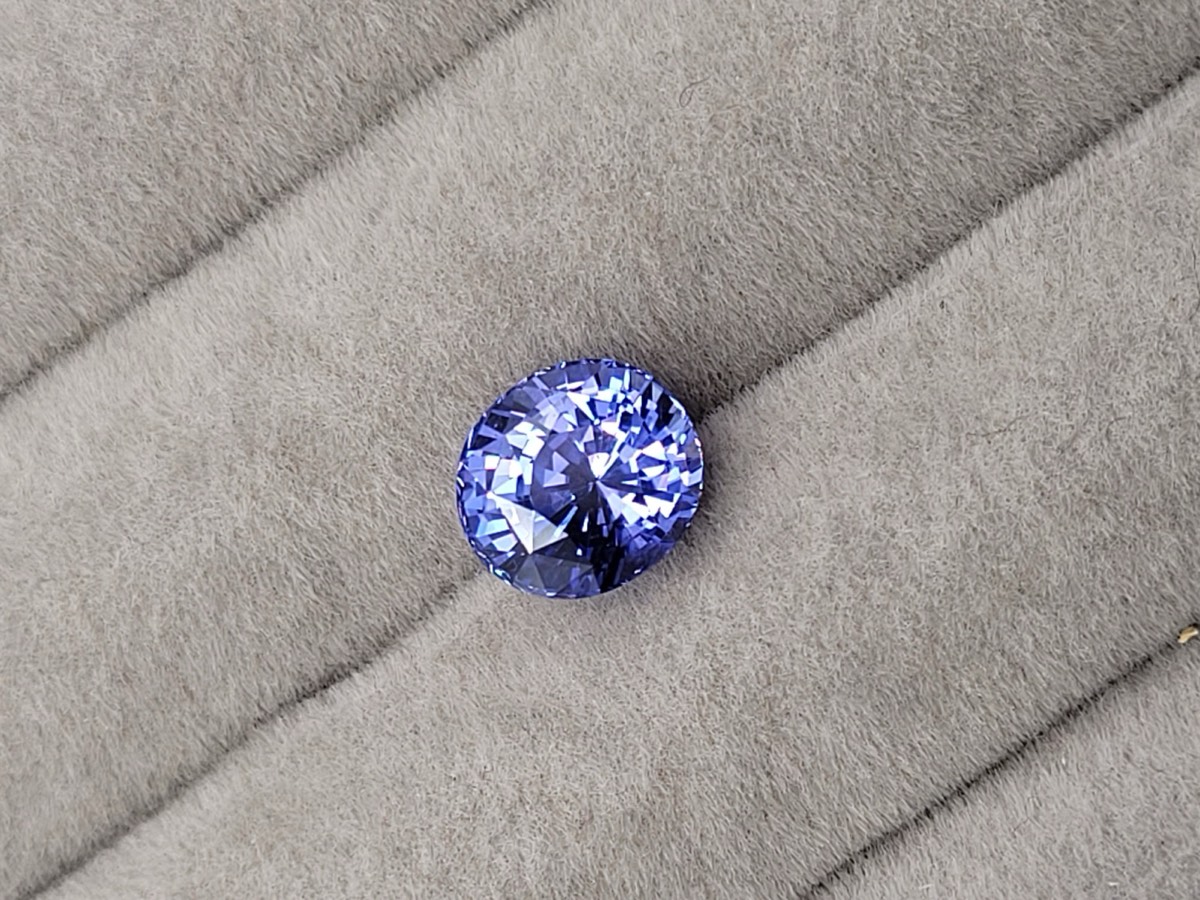
Why Ceylon
Two thousand years of sapphire from a single island, and what makes the material distinct.
Read →The library
All articles
6 min read
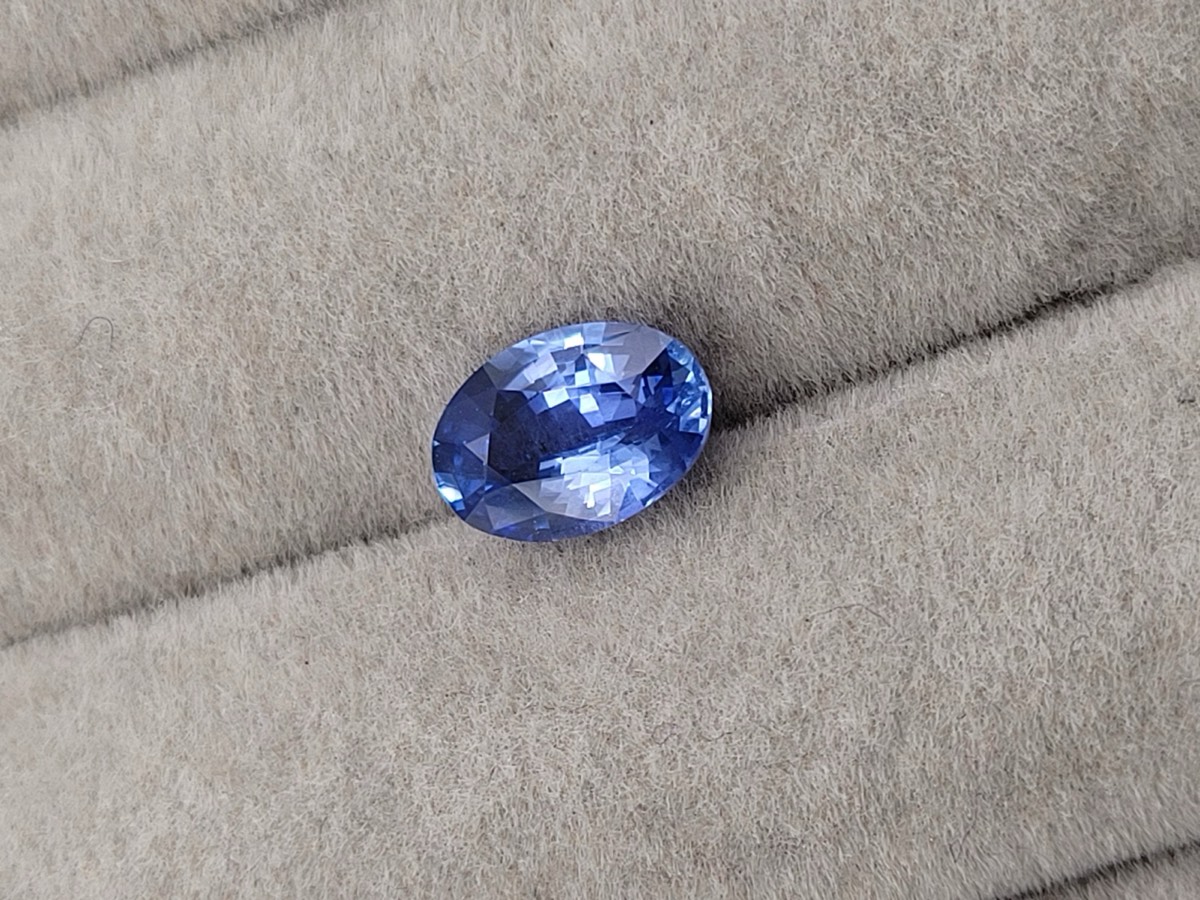
Heated vs Unheated
What heat treatment actually is, why it is disclosed, and what the premium buys you.
7 min read
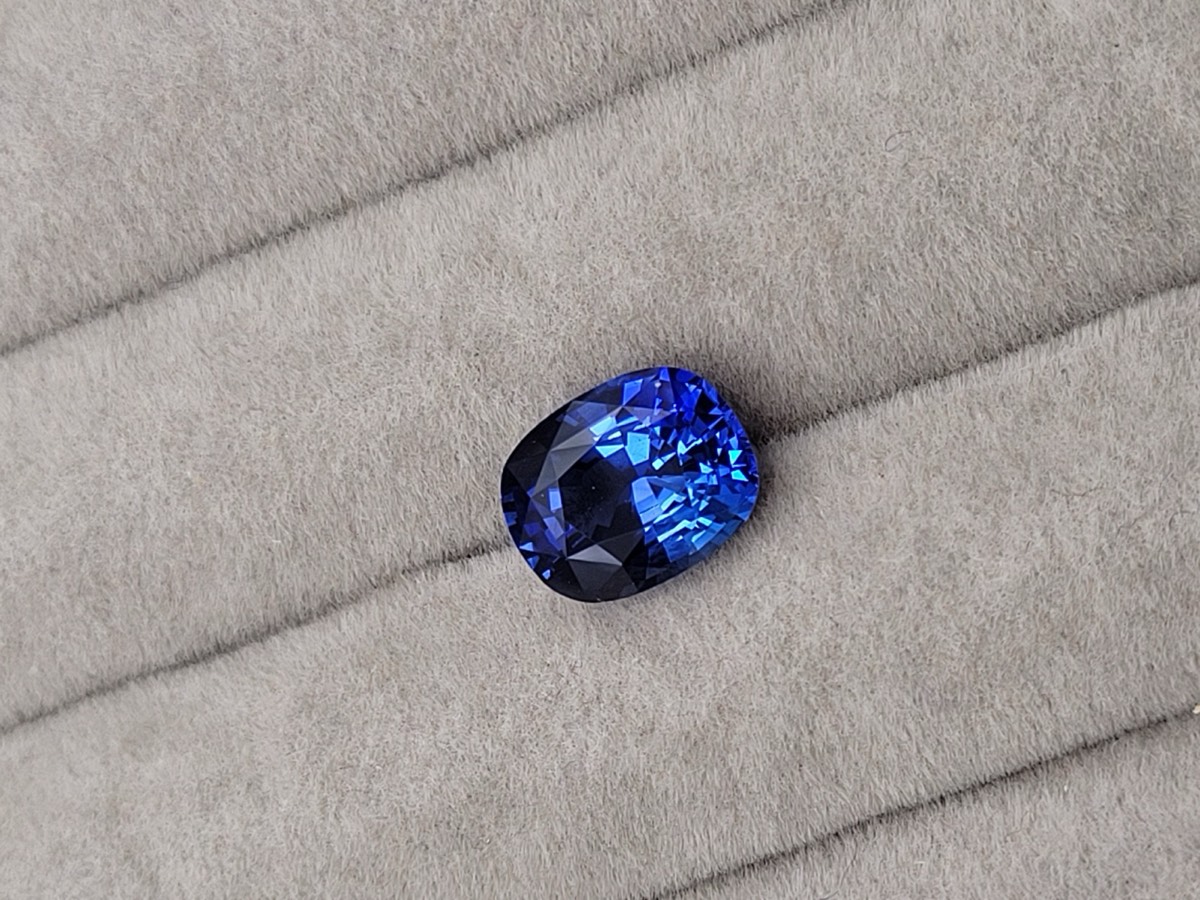
How to Buy a Sapphire
Colour, cut, clarity and carat — in the order that actually matters for coloured stones.
8 min read
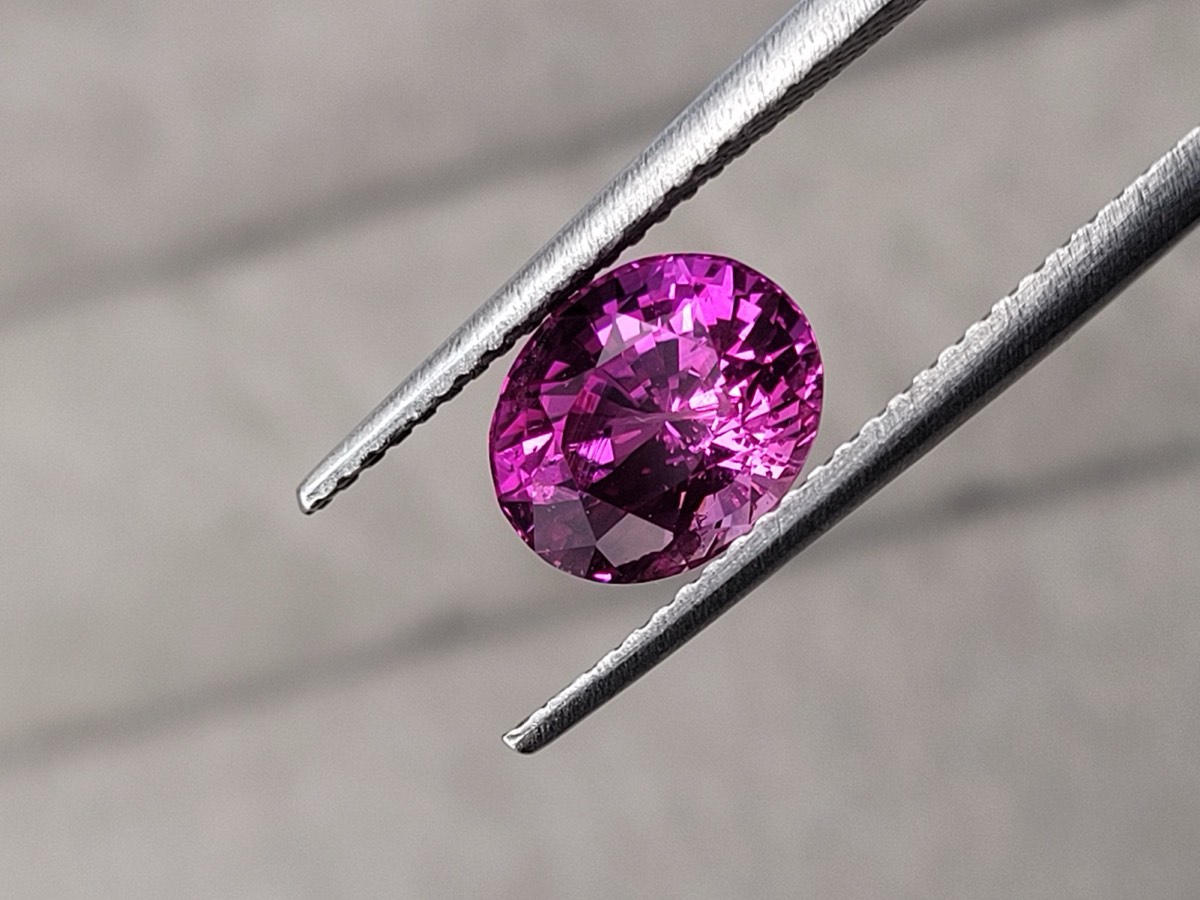
Reading Colour
Hue, tone and saturation — the three things every seller means by "colour", and the one you pay for.
7 min read
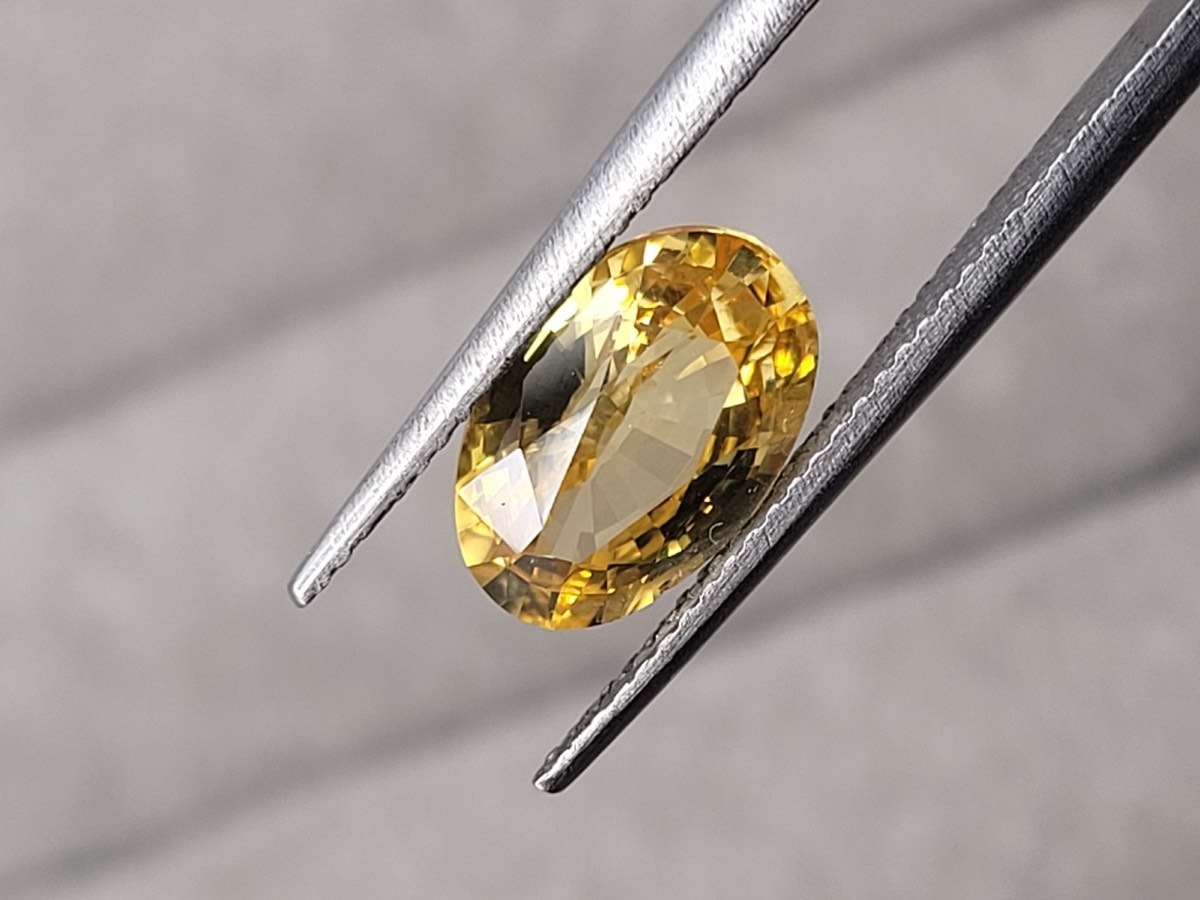
Inclusions and Clarity
Sapphire is expected to have inclusions. Which ones are harmless, which add value, and which to refuse.
7 min read
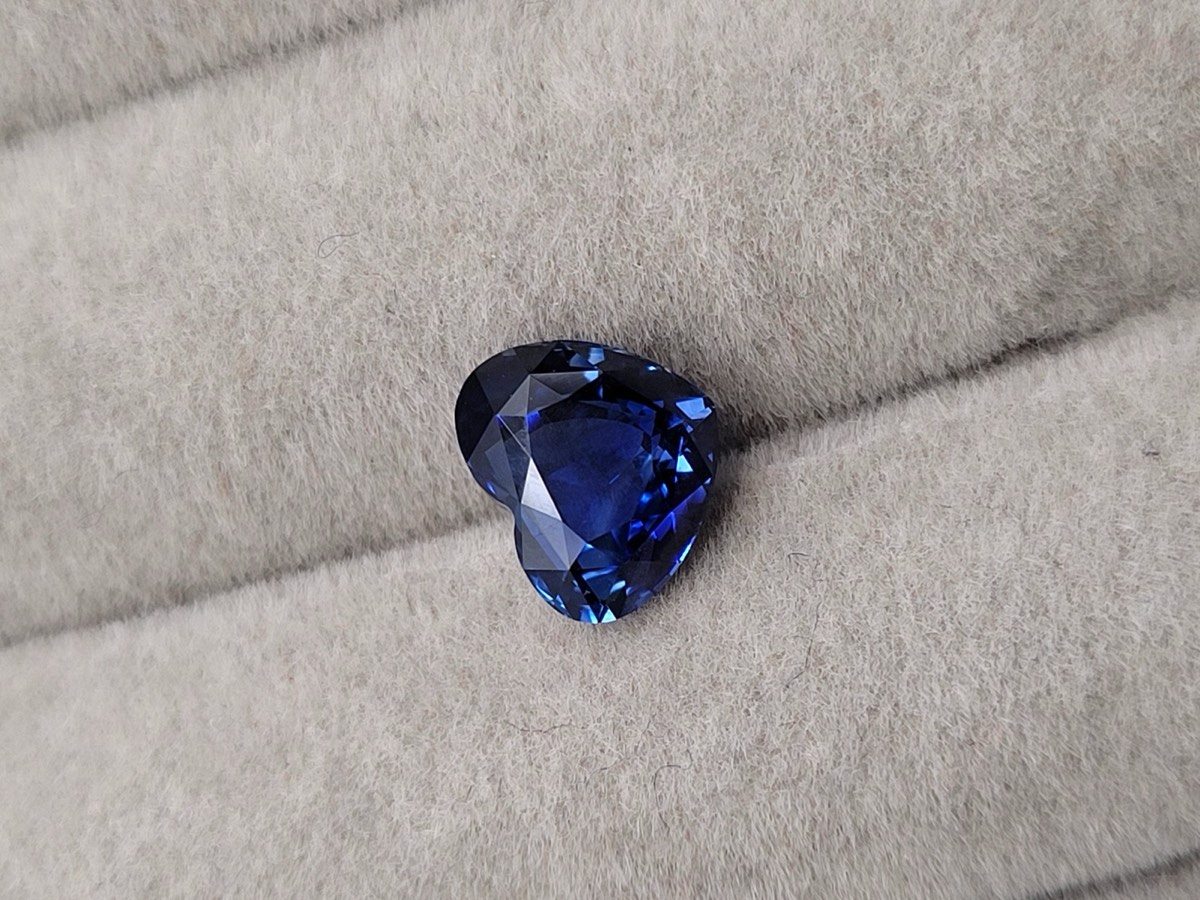
Cut, Windows and Shape
Why two stones of the same weight can look a carat apart, and the tilt test that reveals it.
5 min read
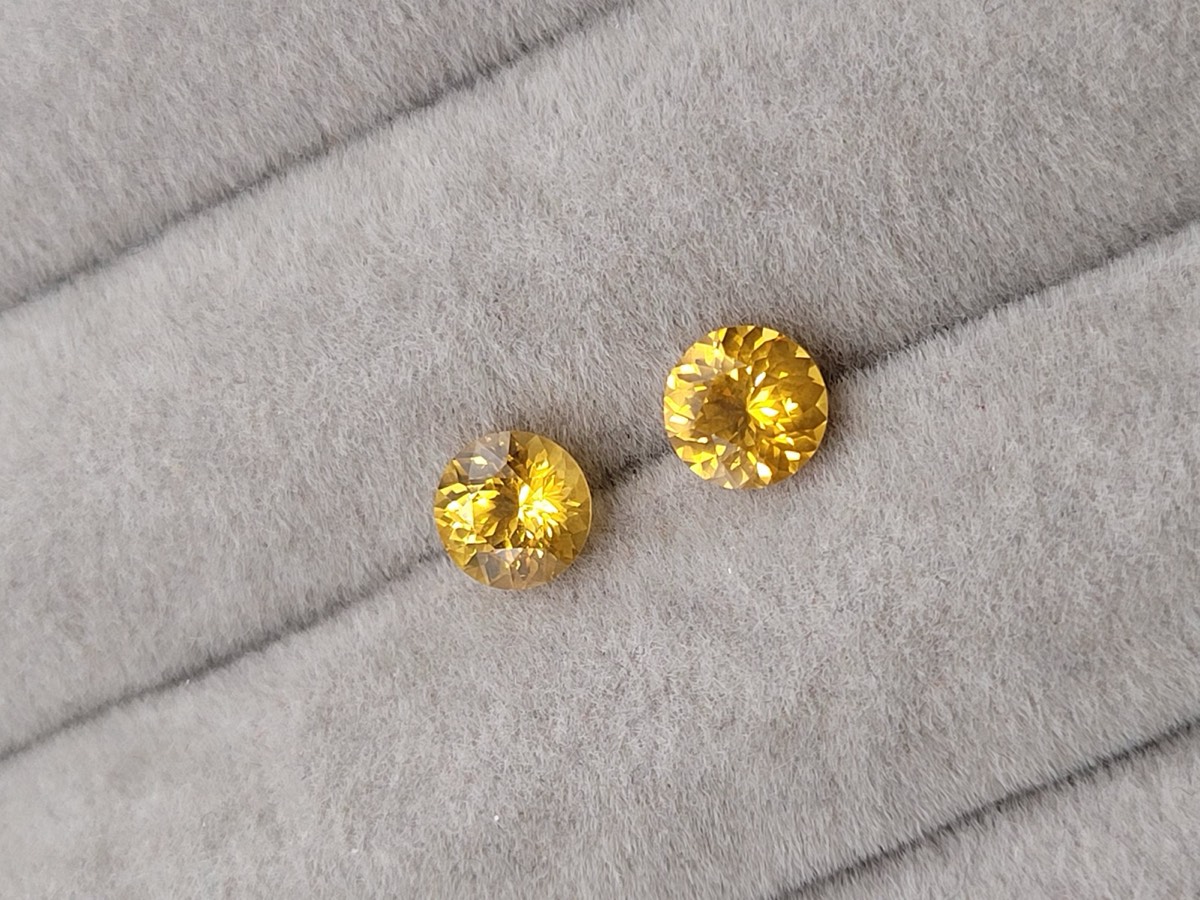
Matched Pairs
What "matched" actually has to mean before a pair is worth its premium — and how to check.
5 min read
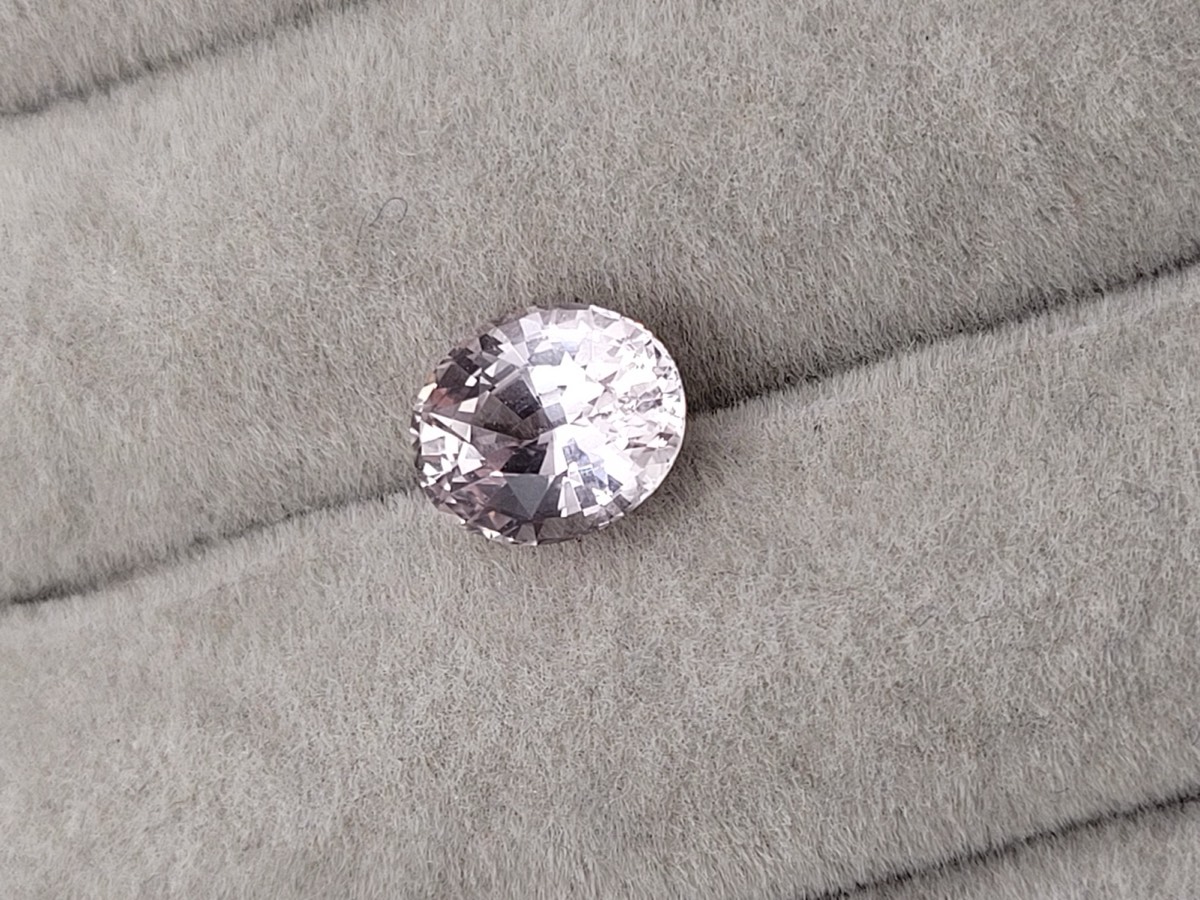
Caring for Your Stone
Cleaning, setting, storage, and what will and will not damage a sapphire.
Still deciding?
Ask us anything about a stone
Every article here describes a stone we actually hold. If you want to put what you have read to use, tell us what you are looking for and we will say plainly which of ours fits — and which does not.
Start an enquiry